



The 20th Century in Florence
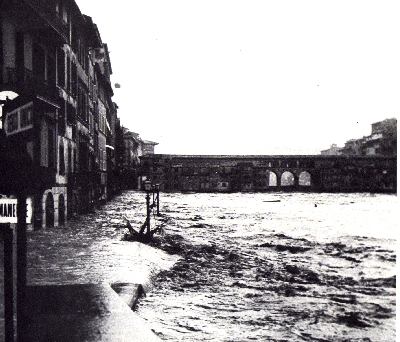
Florence - The flood in 1966
In the 20s, however, Florence was also one of the bases of fascism and in the following decade its support to Mussolini was rewarded with the erection of Santa Maria Novella railway station (1933-1935) and of the stadium in the quarter of Campo di Marte (1932). Despite the violence of the fascist squads, the left-wing opposition continued to operate underground.
During World War II, the Florentine protected their city and its monuments against bombings and plunders. When the Allied were about to enter Florence in July 1944, the German decided to abandon it and destroyed all the bridges except Ponte Vecchio. The Allied entered Florence on August 4th, 1944.
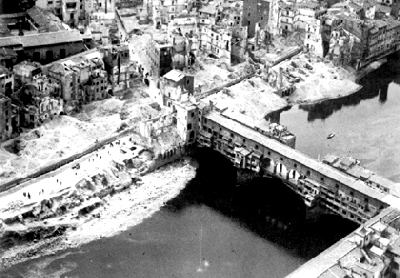
Ponte Vecchio during the bombings in 1945
Giorgio La Pira dominated Florence`s political life after World War II. La Pira was mayor of Florence from 1951 to 1958 and from 1961 to 1965. A man of profound faith and a Catholic politician, he supported the poor and the workers in their struggles against the employers.
On November 4th, 1966, the Arno River burst its banks, submerging Florence with water and mud and killing some dozens of people; thousands of families lost everything. The flood severely damaged Florence`s artistic heritage. Many angels of the mud from all over the world went to Florence to help the Florentine to save the books of the Biblioteca Nazionale (National Library).
Our most requested apartments in the Florence historical centre:
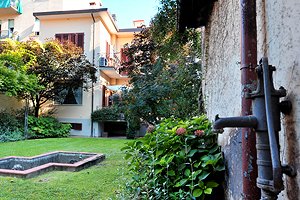 Holiday apartments in pretty villa on the southern outskirts of Florence, in the vicinity of Piazzale Michelangelo. Accommodation for groups of 4/6/8/10/12 people. Air conditioning, Internet connection. Just a few minutes from Florence historical centre.
More details
Holiday apartments in pretty villa on the southern outskirts of Florence, in the vicinity of Piazzale Michelangelo. Accommodation for groups of 4/6/8/10/12 people. Air conditioning, Internet connection. Just a few minutes from Florence historical centre.
More details
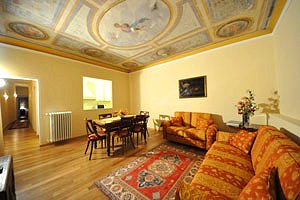 Apartment in the historical centre of Florence a few steps away from the Accademia Gallery. Nearby Piazza Duomo, Piazza Signoria, the Uffizi Gallery . 5+2 beds, Internet Connection and air conditioning.
More details
Apartment in the historical centre of Florence a few steps away from the Accademia Gallery. Nearby Piazza Duomo, Piazza Signoria, the Uffizi Gallery . 5+2 beds, Internet Connection and air conditioning.
More details
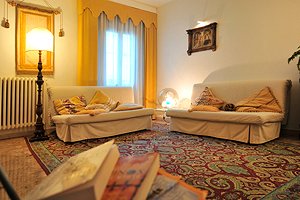 Elegant apartment in Florence historical centre situated in a 17th-century building in the Oltrarno district, just a few steps from Piazza Santo Spirito and Ponte Vecchio. Air conditioning, Internet connection, parking. From 2 to 7 sleeping accommodations.
More details
Elegant apartment in Florence historical centre situated in a 17th-century building in the Oltrarno district, just a few steps from Piazza Santo Spirito and Ponte Vecchio. Air conditioning, Internet connection, parking. From 2 to 7 sleeping accommodations.
More details
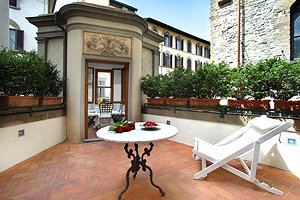 Luxury holiday apartment in Florence historical centre, in the Oltrarno district. 2/4 sleeping accommodations, Internet connection, panoramic terrace.
More details
Luxury holiday apartment in Florence historical centre, in the Oltrarno district. 2/4 sleeping accommodations, Internet connection, panoramic terrace.
More details